
In a landmark decision that has reverberated throughout the Catholic community, the US Catholic bishops have elected Paul Coakley as the new president. Known for his conservative outlook, Coakley's election signifies a potential shift in the Church's priorities at a time when its values and direction are under intense scrutiny. This decision not only highlights the internal dynamics of the US Conference of Catholic Bishops (USCCB) but also reflects broader societal debates about the Church's role in contemporary moral and social issues.
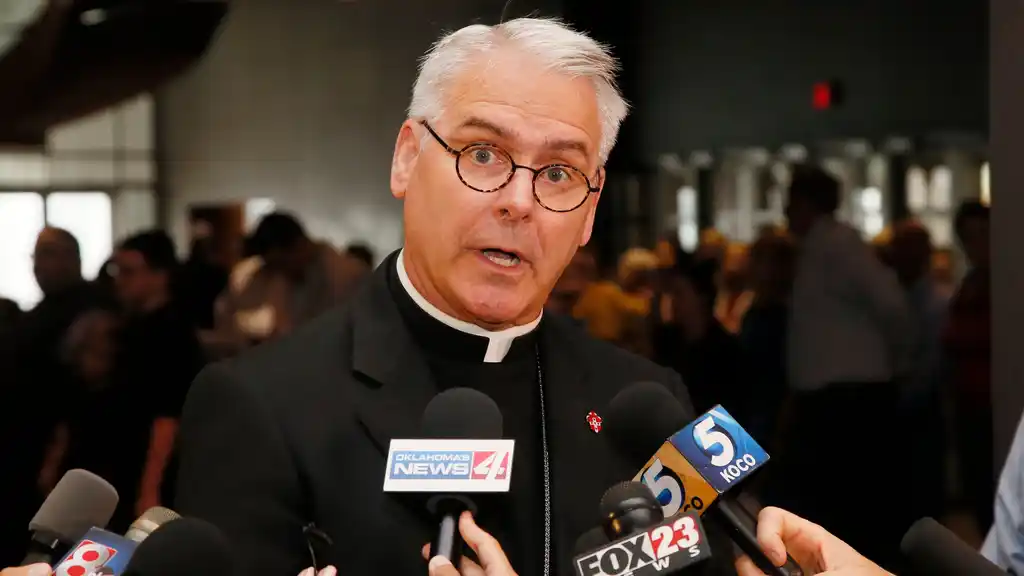
US Catholic Bishops: A New Chapter Begins
The election of Paul Coakley as the president of the US Catholic bishops emerges as a significant event within the Church, marked by its potential to redefine priorities amidst evolving societal norms. Known for his unwavering commitment to conservative doctrine, Coakley’s leadership may signal a continued emphasis on traditional values over progressive calls for change. Under Coakley's leadership, it's anticipated that the US Catholic bishops will focus on maintaining doctrinal purity, emphasizing initiatives like anti-abortion advocacy, religious liberty, and education on traditional family values. As the Church grapples with declining membership and a need to address contemporary issues such as climate change and social justice, this traditionalist approach may be both a steadfast anchor for some and a point of contention for others.
The Significance of Coakley's Election
Paul Coakley’s rise to the presidency is not merely a reflection of his leadership skills but also indicative of the priorities and concerns of a significant faction within the bishops. His conservative stance is poised to influence upcoming discussions and policies significantly. This election comes at a crucial juncture, as the Church navigates its response to the growing discussions around inclusivity and reform prompted by younger generations. For some members, Coakley represents a return to core tenets that have historically defined the Catholic faith. For others, especially those calling for reform and modernization, his presidency may pose challenges. However, past scholarship suggests that such tension isn't unheard of in religious institutions that balance tradition with the inevitable winds of change.
Paul Coakley: A Leader for Conservative Values
Paul Coakley, Archbishop of Oklahoma City, is no stranger to the tenets of leadership within the Church. His conservative reputation stems from his long-standing advocacy for issues such as pro-life initiatives and religious freedom, values that align closely with a considerable segment of the Catholic hierarchy. His presidency may spur reaffirmed emphasis on these issues, interwoven with efforts to address educational outreach and strengthen ecclesiastical community structures in alignment with biblical teachings. Moreover, Coakley’s leadership style, characterized by a careful yet firm approach to ecclesiastical discipline, may invigorate conservative policies further within the USCCB’s initiatives.
Potential Challenges and Opportunities
While Coakley's election is likely welcomed with optimism by conservative circles, it also presents numerous challenges. The most significant of these is navigating the complex terrain of modern social issues while maintaining doctrinal integrity. Issues such as gender equality, LGBTQ+ rights, and climate change are likely to bring about intense debate. This conservative approach, although stabilizing for some, may alienate members of the Catholic community seeking broader inclusivity and representation. However, opportunities exist to foster dialogue and bridge divides if a moderate balance between tradition and modernity can be established, with Coakley at the helm. The election of Paul Coakley as the president of the US Catholic bishops represents a strategic period for the Church, underscoring a commitment to its conservative roots even as societal dynamics shift. While his presidency may emphasize traditional values, it also stands as an opportunity for deeper reflection on how the Church can remain relevant and effective in today’s complex world.
What Coakley’s Election Signals about US Catholic Bishops and Their Priorities
With his recent election, the appointment of Paul Coakley signifies a reaffirmation of conservative priorities within the US Catholic bishops. This reflects a prevailing inclination towards maintaining religious doctrines that align with long-held Catholic teachings. However, it simultaneously poses the question of how effectively these leaders can engage with the wider issues facing contemporary believers. In conclusion, Coakley’s leadership might be a crucible for evaluating how tradition and progress can coexist within a historic faith system. Active dialogue and open, empathetic engagement could potentially bridge gaps between varying theological perspectives, ultimately defining the USCCB's path in a rapidly changing world.